

Ventilation Basics
Proper ventilation is vital for maintaining indoor air quality and controlling moisture levels in buildings. Learn how air exchange rates, combined with mechanical ventilation systems, can prevent mold growth, manage pollutants, and improve comfort in your home.

Navigating Water Vapour Diffusion in Building Materials
Moisture management in buildings requires a deep understanding of the sd-value and MNs/g. These metrics help determine how materials resist and transmit water vapor, which is crucial in preventing condensation and structural issues. Learn how these values can guide better material choices for long-lasting, healthy buildings.

Relative Humidity, Condensate and Building Materials
Relative humidity and temperature play a key role in building moisture management. Condensation forms when warm, humid air meets cold surfaces, leading to issues like mold growth and structural damage. Learn how to control condensation through proper insulation, ventilation, and humidity management to create healthier, more durable buildings.
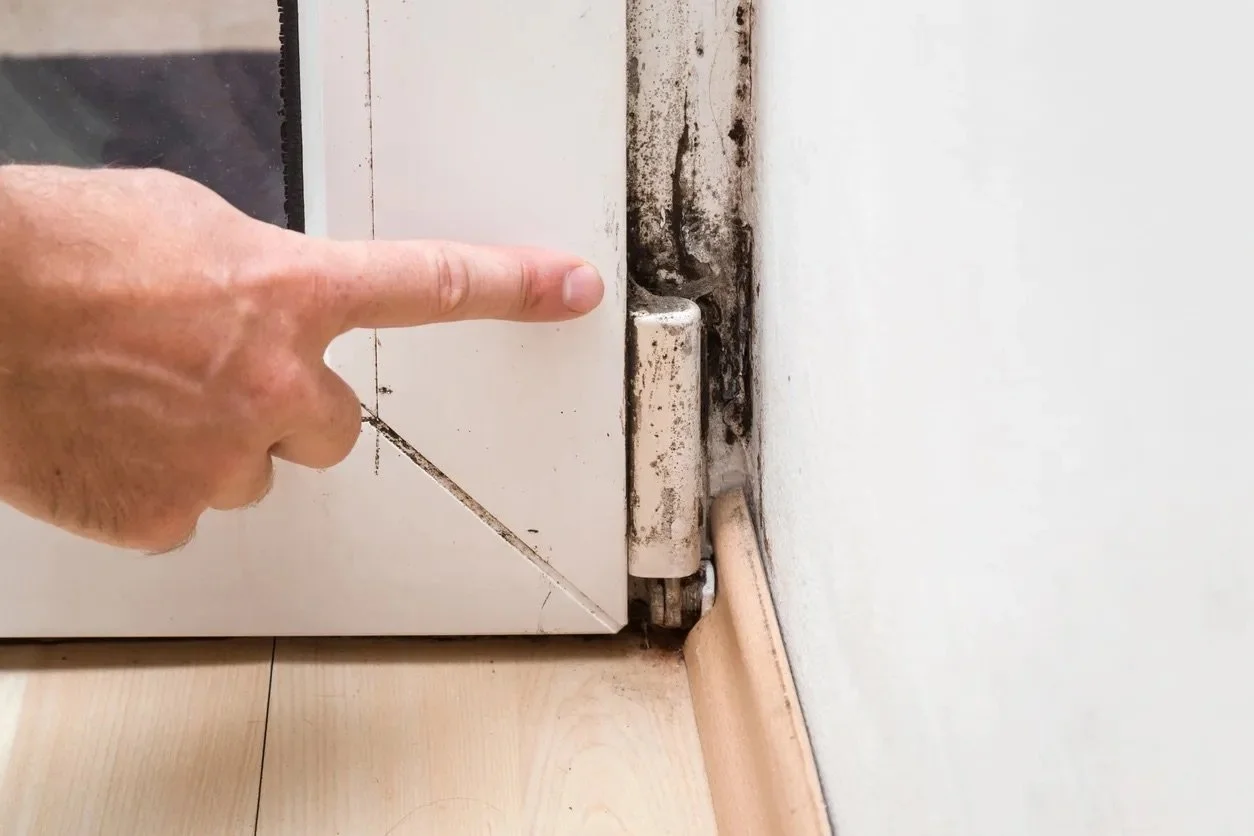
Condensation, mould and your health
Neglecting heating in your home can invite mould, which poses serious health risks over time. Exposure to mould spores can lead to allergies, asthma, and other respiratory issues. Learn when it's safe to handle mould removal on your own and when it's best to call in the experts.
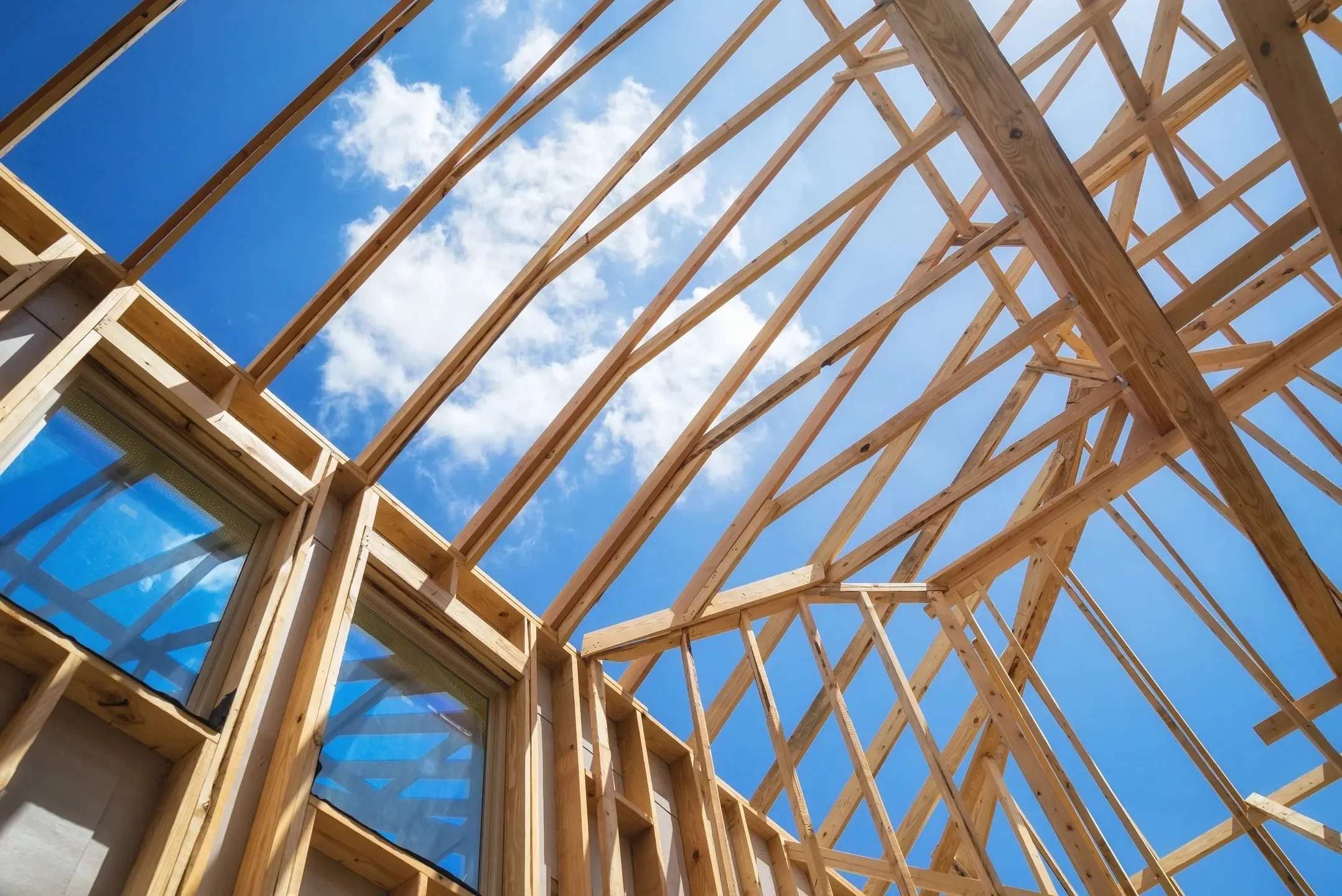
Water Content in Construction Timber
Moisture content in construction timber is a critical factor that influences structural integrity and longevity. Excess moisture can lead to mold, decay, and even misdiagnosed condensation issues. Learn how to manage timber moisture effectively through proper storage, ventilation, and monitoring to prevent costly damage and ensure your building’s durability.
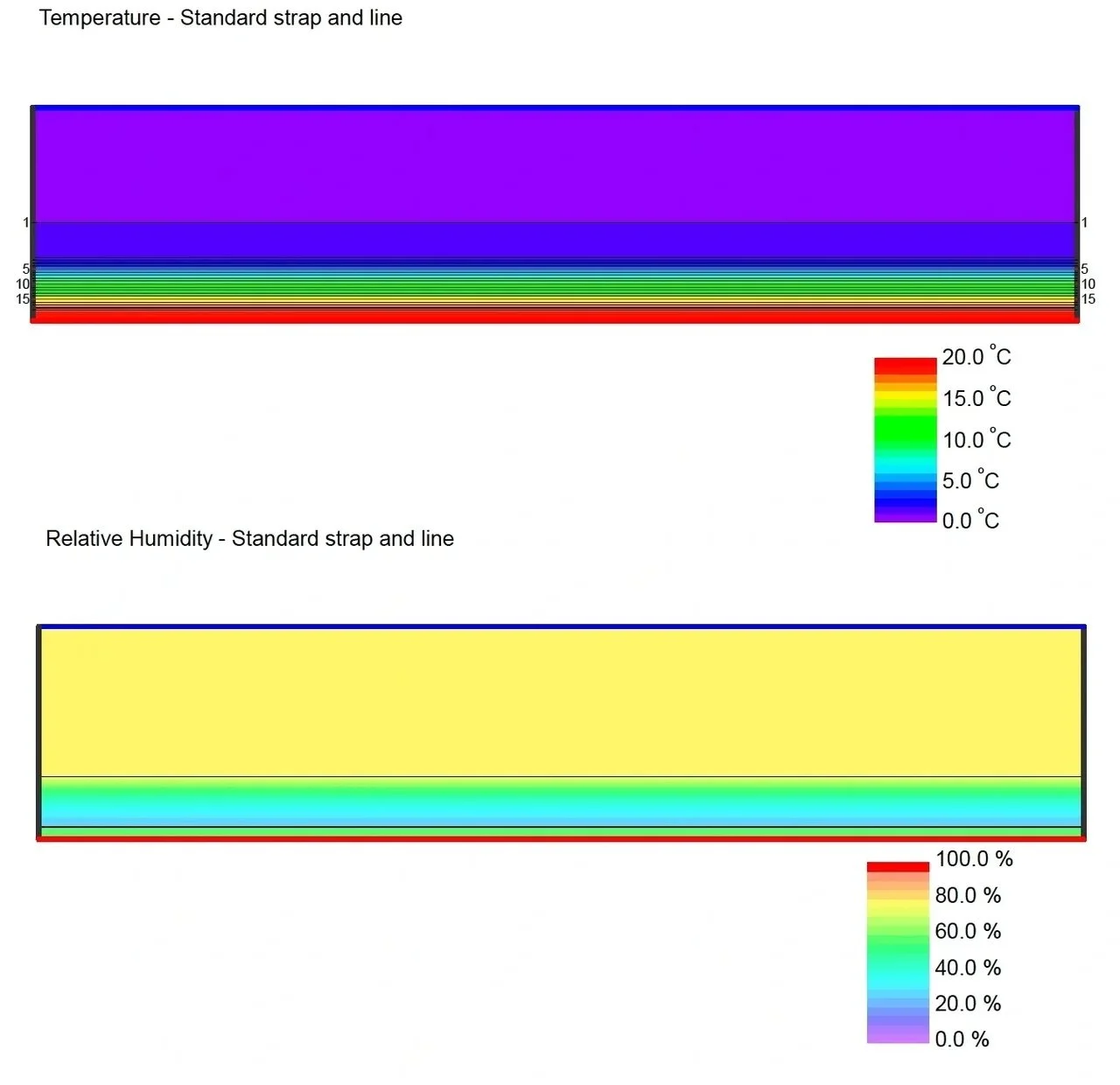
Strap and Line - Interior Insulation
Enhancing thermal insulation for historic facades while preserving aesthetics requires careful planning. Discover how interior insulation, vapour barriers, and hydrophobisation can protect both historical and modern structures from condensation, mould, and thermal bridges. Ensure long-lasting energy efficiency with the right materials and methods.
The ROI of sustainable home upgrades: honest numbers, honest caveats
When does the "sustainability stuff" actually pay off? The payback periods on energy efficiency upgrades are longer than the optimists claim — but pure energy savings are only part of the story. Here's how the economics actually work, including the Passive House Institute formulas behind the numbers.

Sun protection glass: the glazing decision that stops your home becoming a greenhouse
A well-insulated window keeps heat in. A solar control window keeps unwanted heat out. These are different problems with different solutions — and confusing them is how beautiful north-facing glazing turns into an unusable room by November. Here's how to think about it.

Insulating with Glass
Modern glazing can perform as well as a well-insulated wall — but only if it's specified correctly for your climate, your orientation, and your budget. Here's how to think through the decision, what questions to ask your supplier, and where the money is best spent.

Building an indoor swimming pool: the building physics most designers get wrong
An indoor pool is one of the most demanding building environments you can create — and standard construction approaches aren't up to the job. Here's what actually needs to go right with vapour control, insulation, materials, and dehumidification.

That dew on your fancy new windows? It's not a defect. It's proof they're working.
You wake up to condensation on your brand new double glazing and assume something's gone wrong. It hasn't. Here's what's actually happening — and the one thing your installer probably forgot to tell you.

Heat transfer and glass: why modern windows aren't the weak spot everyone thinks they are
Glass has a reputation as the thermal weak link in any building. That was fair in 1985. Here's what's actually inside a modern glazing unit, how much performance has improved, and what to look for when you're specifying or comparing windows.

Mould in buildings: what the science actually says — and why we still want it gone
The "toxic mould" story is more complicated than the headlines suggest. Recent research shows the health links aren't as direct as assumed. But that's not a reason to ignore mould — it's a reason to understand what it's really telling you about your building.

Decarbonising Buildings Part 3: Is carbon actually the right metric to measure progress?
Policy and regulation are what turn good intentions into industry-wide change. But the carbon metrics driving that policy have real strengths — and some honest limitations. Here's what they capture, what they miss, and why the distinction matters.

Decarbonising Buildings Part 2: The smart technology actually worth your attention
You don't need a Passive House to start cutting energy waste. A small number of smart devices can give you real visibility into how your home performs — and help you act on it. Here's what's genuinely useful and what's just gadgetry.

Decarbonising Buildings Part 1: What your choice of materials actually means for carbon emissions
Concrete, steel, timber, windows, insulation — they all carry a carbon cost. But the story is more nuanced than a simple good/bad list. Here's how to think about common building materials, where they earn their keep, and where they quietly cause problems.