
Passive House design consultancy —
from feasibility to certification submission
PHPP modelling, envelope design, thermal bridge analysis, MVHR coordination, and full documentation support across every stage — so your project arrives at the certifier in the best possible condition.
Most Passive House projects don't fail at the end — they fail at the beginning
Certification is the last step. The decisions that determine whether a building meets the criteria are made months or years earlier — orientation, form factor, glazing ratios, envelope build-ups, junction details, mechanical system selection. Getting those wrong early is expensive to correct later, and some decisions can't be undone once construction begins.
Form factor and glazing set at concept — without PHPP
A building with a poor form factor or unbalanced glazing distribution will struggle to meet the heating demand criterion regardless of insulation thickness. These parameters need to be tested in PHPP before the design is locked.
Thermal bridges that aren't designed until construction
Junction details are often deferred. By the time thermal bridge values are calculated, the structural decisions that create the bridge have already been made — and remediation requires redesigning elements that are already specified or built.
MVHR specified too late to coordinate with the building
MVHR duct routing, pressure loss, and airflow distribution need to be integrated into the building design — not retrofitted. Late coordination means compromises in duct routing, room-by-room airflow, and heat recovery efficiency.
Window performance assumed rather than specified
Window Uf, Ug, g-value, and installation psi-values all feed directly into PHPP. Generic assumptions at early stage are often replaced with actual product performance at pre-construction review — and the delta can move the energy balance significantly.
What Passive House design consultancy covers
Our scope is structured around the actual design and construction sequence — not a fixed deliverable list. Optional stages are flagged and scoped separately.
Design consultancy across the full project team
All PHI certification pathways
Passive House design consultancy applies across all three PHI building certification standards — the appropriate pathway depends on the building type, existing condition, and project ambition.
- Passive House Classic / Plus / Premium — the full standard for new buildings. Heating demand ≤ 15 kWh/m²a, primary energy demand varies by tier.
- EnerPHit — the retrofit standard for existing buildings. Relaxed criteria acknowledge that complete thermal envelope continuity is rarely achievable in refurbishment.
- PHI Low Energy Building (LEB) — an intermediate standard between EnerPHit and full Passive House. Suitable for projects where the full standard is not feasible but significant performance improvement is achievable.
Common questions
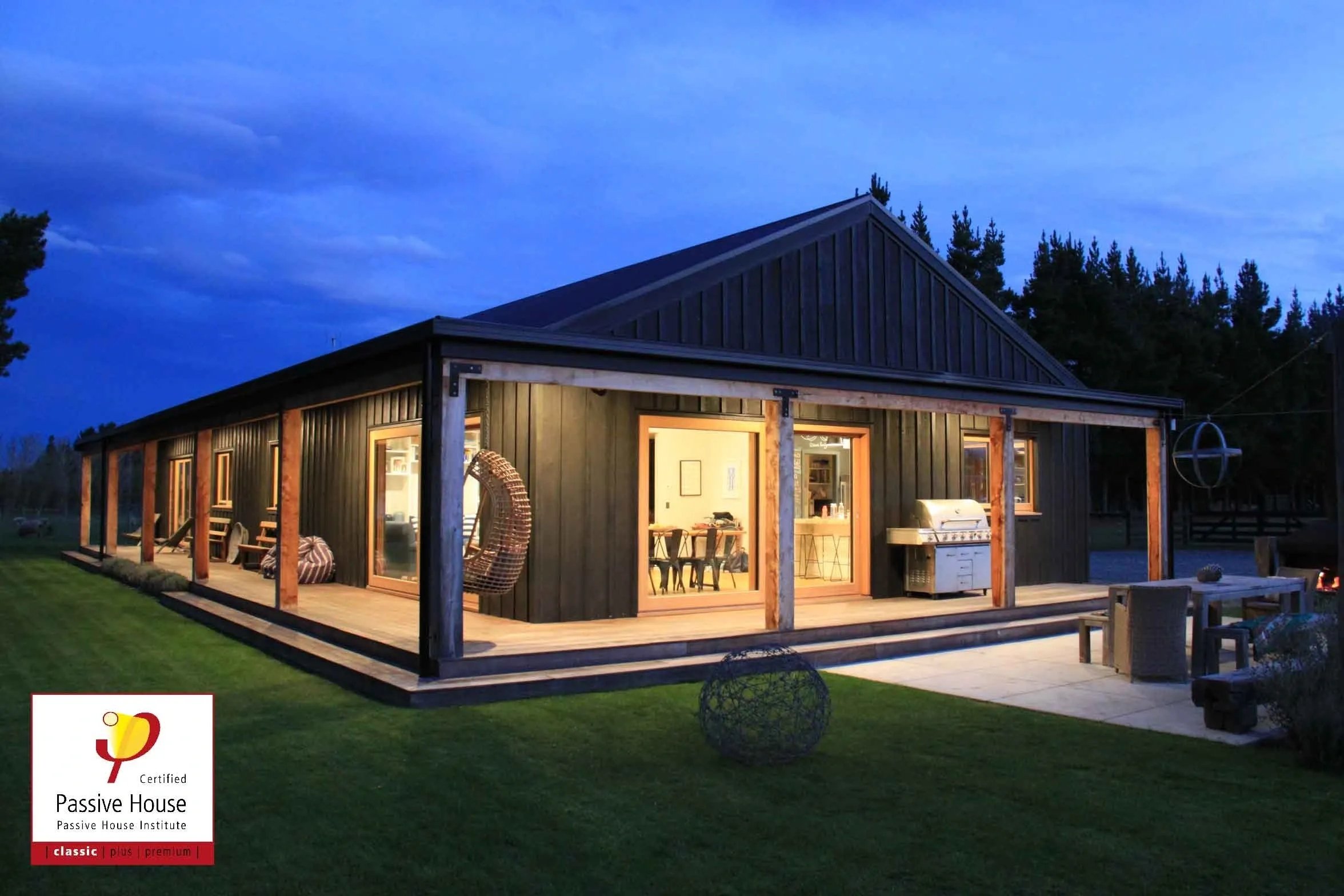
BEO Buildingscience - Passive House Certification and Design
BEO Buildingscience - Passive House Certification and Design
BEO Buildingscience - Passive House Certification and Design
BEO Buildingscience - Passive House Certification and Design
BEO Buildingscience - Passive House Certification and Design
BEO Buildingscience - Passive House Certification and Design