

Thermal Bridges: Fundamentals
Thermal bridges are weak points in building insulation where heat escapes more easily, leading to energy loss, comfort issues, and potential moisture problems. Learn how to identify and manage thermal bridges in your building projects.

Thermal Bridges: Psi-Value (Ψ-value) and R-Value Explained
Discover how R-value and Psi-value (Ψ-value) are used together to provide a complete picture of a building’s thermal performance, minimising heat loss through effective insulation and managing thermal bridges.

Thermal Bridges and Clause E3, Internal Moisture
Thermal bridges can lead to increased condensation and mould risk in buildings. Learn how to mitigate these risks, especially under New Zealand’s Clause E3, with proactive design and material choices.

Thermal Mass and Insulation are not the same
Thermal mass and insulation serve different functions in building design. Learn how to use them together effectively for optimal energy efficiency and comfort. Avoid common pitfalls like overheating and poor thermal performance by understanding their distinct roles.

How important is Embodied Carbon?
Achieving sustainable building design requires a balance between embodied and operational carbon. Explore the key strategies for reducing carbon emissions throughout a building's lifecycle, from materials to energy efficiency.

What is Building Physics?
Building physics applies physics principles to construction, addressing heat transfer, moisture control, acoustics, and fire protection. Learn how building physics creates safe, comfortable, and energy-efficient structures.

Building Physics and Comfort
Comfort in buildings goes beyond temperature control, encompassing factors like acoustics, air quality, airflow, and surface temperature. Explore how building physics can enhance comfort and improve the occupant experience. Learn why user control is vital, even in energy-efficient designs like Passive House.

Building Physics - Design Guidelines
Effective building design requires a focus on reducing heat losses, optimising solar gains, and managing internal loads. This article provides practical guidelines for improving energy efficiency and comfort through thoughtful design and application of building physics principles.

Solar Absorption and Heat on Surfaces
Building surfaces are constantly exposed to the elements, absorbing and emitting heat throughout the day. This article explains how surface colour, material choice, and environmental conditions impact solar absorption and heat retention, helping you select the best materials for energy-efficient and durable construction.
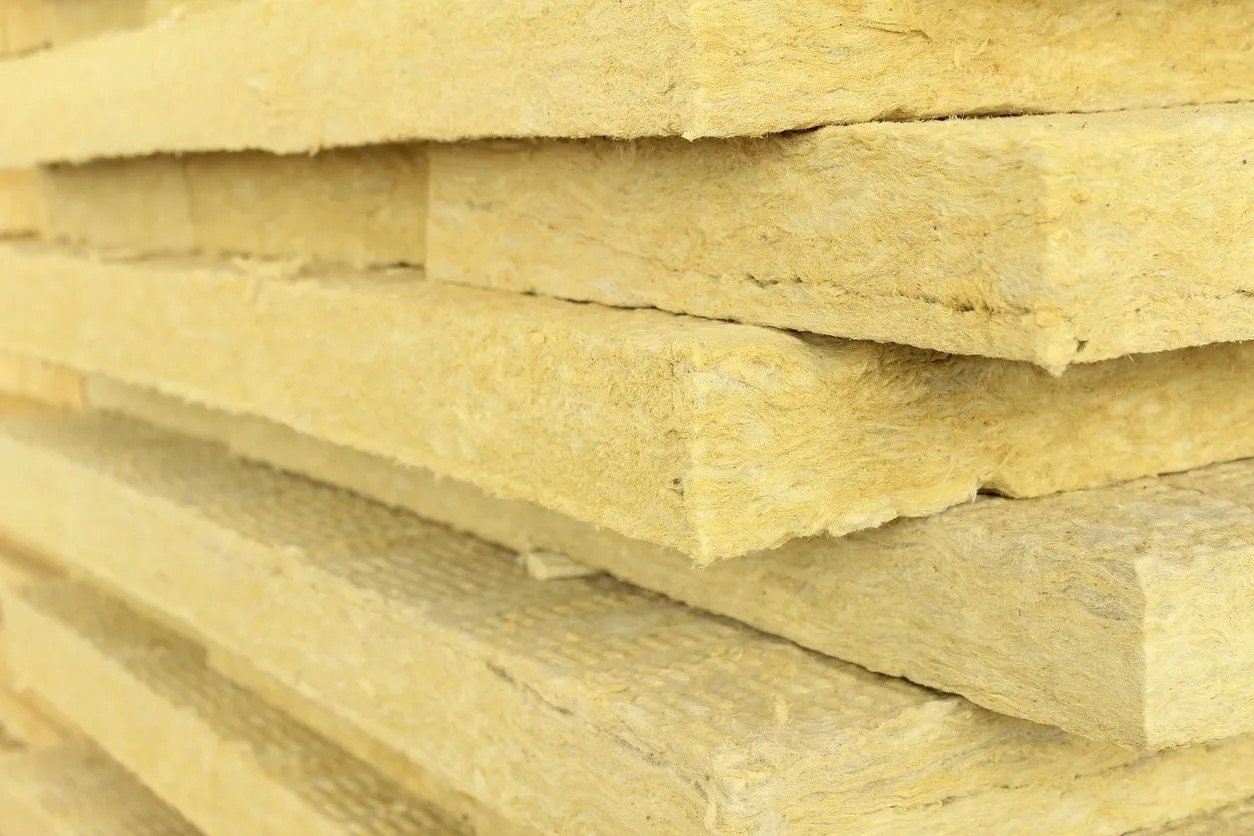
Insulation Properties and Application
Insulation plays a vital role in energy-efficient construction. Learn about the thermal conductivity, R-value, and the importance of moisture management in insulation performance. Discover the benefits of external vs. internal insulation systems and how to select the right material for your building.

Building Physics and Climate
Climate significantly affects building performance, influencing energy efficiency, material durability, and comfort. Learn how temperature, humidity, wind, and solar radiation shape building design and discover strategies for adapting to climate variations in construction.

Thermal Conductivity
Thermal conductivity measures how effectively building materials conduct heat. This article explains the significance of thermal conductivity (λ), its measurement using standards like ISO 8301 and ASTM C518, and how moisture can affect insulation performance. Understanding these factors is essential for energy-efficient building design.

Ventilation Basics
Proper ventilation is vital for maintaining indoor air quality and controlling moisture levels in buildings. Learn how air exchange rates, combined with mechanical ventilation systems, can prevent mold growth, manage pollutants, and improve comfort in your home.

Navigating Water Vapour Diffusion in Building Materials
Moisture management in buildings requires a deep understanding of the sd-value and MNs/g. These metrics help determine how materials resist and transmit water vapor, which is crucial in preventing condensation and structural issues. Learn how these values can guide better material choices for long-lasting, healthy buildings.

Relative Humidity, Condensate and Building Materials
Relative humidity and temperature play a key role in building moisture management. Condensation forms when warm, humid air meets cold surfaces, leading to issues like mold growth and structural damage. Learn how to control condensation through proper insulation, ventilation, and humidity management to create healthier, more durable buildings.
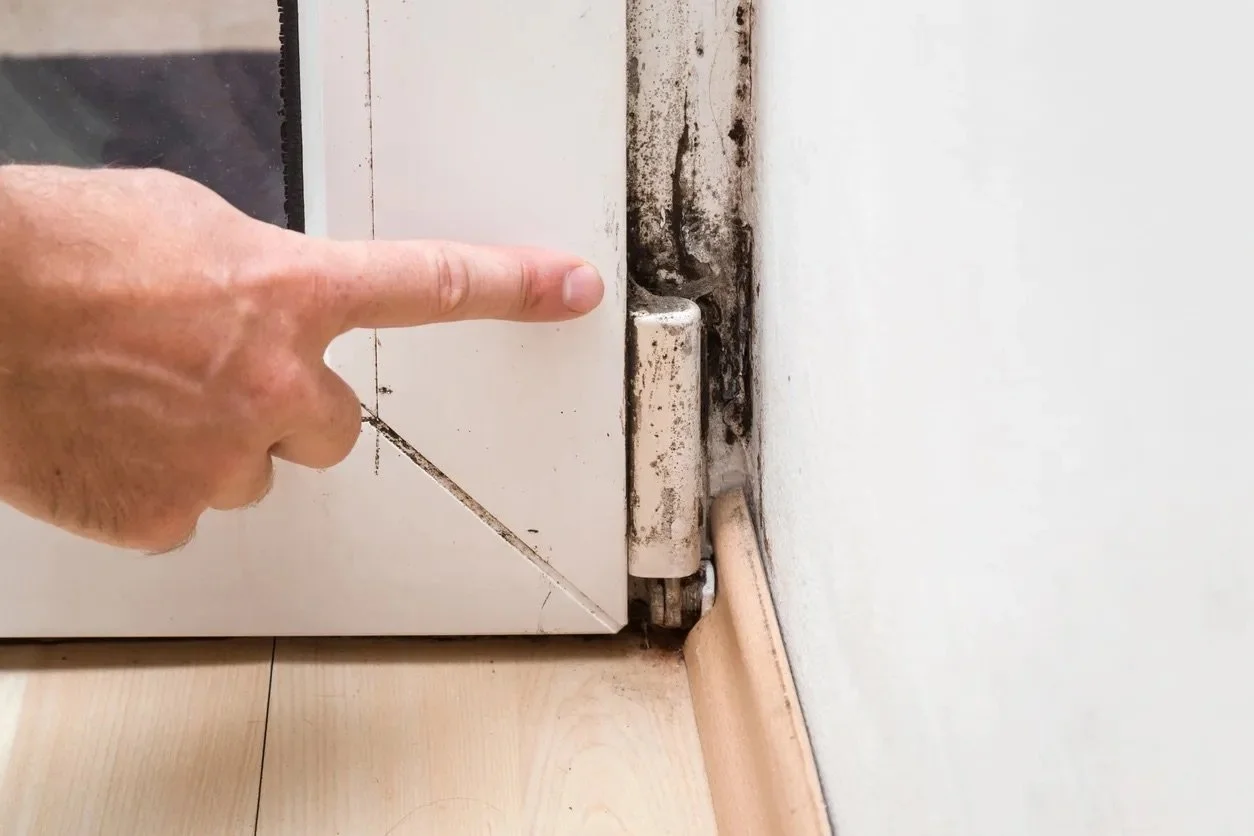
Condensation, mould and your health
Neglecting heating in your home can invite mould, which poses serious health risks over time. Exposure to mould spores can lead to allergies, asthma, and other respiratory issues. Learn when it's safe to handle mould removal on your own and when it's best to call in the experts.
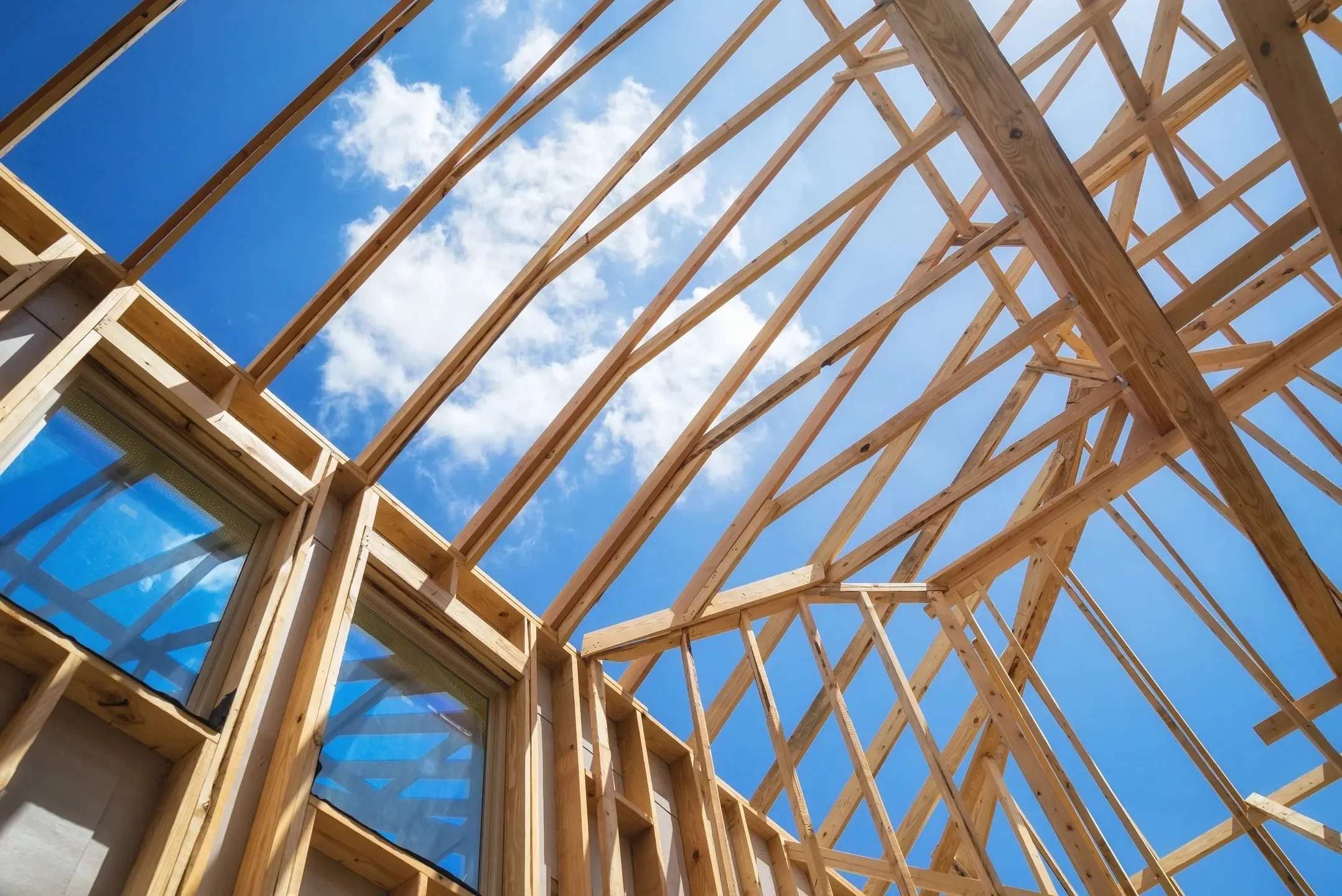
Water Content in Construction Timber
Moisture content in construction timber is a critical factor that influences structural integrity and longevity. Excess moisture can lead to mold, decay, and even misdiagnosed condensation issues. Learn how to manage timber moisture effectively through proper storage, ventilation, and monitoring to prevent costly damage and ensure your building’s durability.
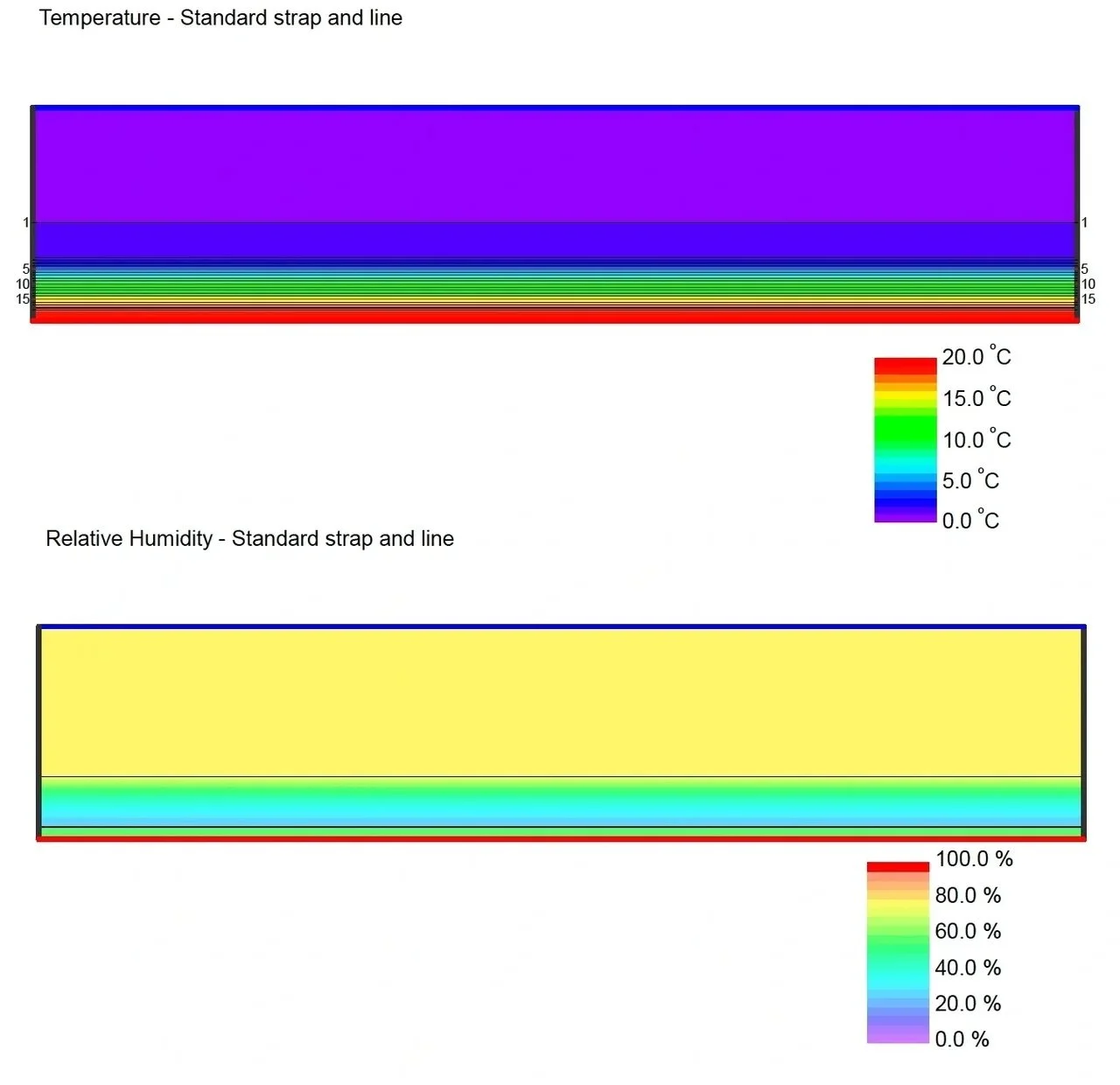
Strap and Line - Interior Insulation
Enhancing thermal insulation for historic facades while preserving aesthetics requires careful planning. Discover how interior insulation, vapour barriers, and hydrophobisation can protect both historical and modern structures from condensation, mould, and thermal bridges. Ensure long-lasting energy efficiency with the right materials and methods.

The ROI of sustainable home upgrades: honest numbers, honest caveats
When does the "sustainability stuff" actually pay off? The payback periods on energy efficiency upgrades are longer than the optimists claim — but pure energy savings are only part of the story. Here's how the economics actually work, including the Passive House Institute formulas behind the numbers.

Sun protection glass: the glazing decision that stops your home becoming a greenhouse
A well-insulated window keeps heat in. A solar control window keeps unwanted heat out. These are different problems with different solutions — and confusing them is how beautiful north-facing glazing turns into an unusable room by November. Here's how to think about it.